
Keynote Speaker
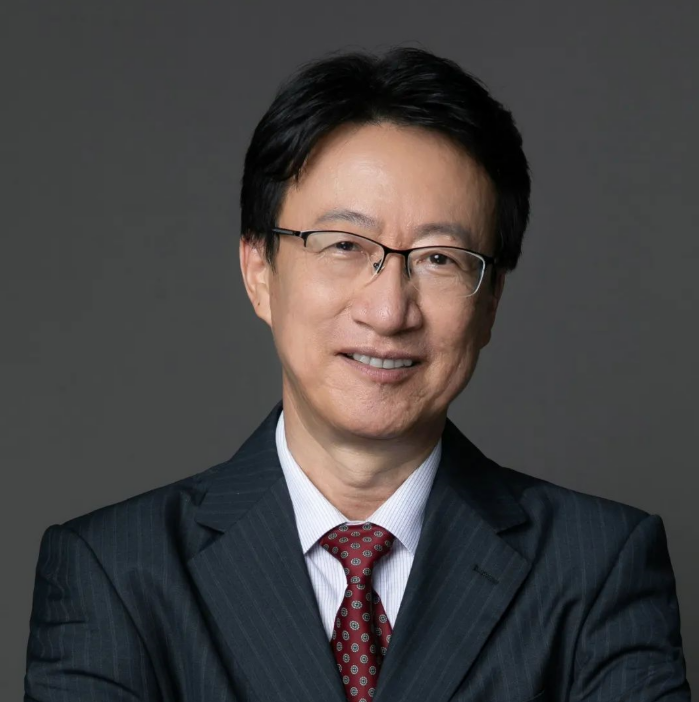
Prof. Ji-Dong Gu
Environmental Science and Engineering, Guangdong Technion - Israel Institute of Technology, China;Civil and Environmental Engineering, Technion - Israel Institute of Technology, Israel
Speech Title: Anammox Bacterial Ecology and the Effective Implementation in Full-Scale Wastewater Treatment Systems
Abstract: Microbial-driven nitrogen removal is the crucial step in full-scale wastewater treatment plants (WWTPs), a better understanding of the overall nitrogen cycling networks is therefore a prerequisite for the further enhancement and optimization of wastewater treatment processes. Anammox bacteria have a unique affiliation to the different ecological/environmental conditions, and such intrinsic property is a result of their evolution. To further advance the application of anammox in wastewater treatment, metagenomics and metatranscriptomics were used to elucidate the microbial nitrogen removal processes in an ammonium-enriched full-scale WWTPs, which were configured as an anaerobic-anoxic-anaerobic-oxic system for efficient nitrogen removal (99.63%) on a duck breeding farm. A typical simultaneous nitrification-anammox-denitrification (SNAD) process was established in each tank of this WWTP. Ammonia was oxidized by ammonia-oxidizing bacteria (AOB), archaea (AOA), and nitrite-oxidizing bacteria (NOB), and the produced nitrite and nitrate were further reduced to dinitrogen gas (N2) by anammox and denitrifying bacteria. Visible red anammox biofilms were formed successfully on the sponge carriers submerged in the anoxic tank, and the nitrogen removal rate by anammox reaction was 4.85 times higher than that by denitrification based on 15N isotope labeling and analysis. This supports the significant accumulation of anammox bacteria on the carriers responsible for efficient nitrogen removal. Two distinct anammox bacteria, named “Ca. Brocadia sp. PF01” and “Ca. Jettenia sp. PF02”, were identified from the biofilm in this investigation. By recovering their genomic features and their metabolic capabilities, our results indicate that the highly active core anammox process found in PF01, suggests extending its niche within the plant. With the possible contribution of the dissimilatory nitrate reduction to ammonium (DNRA) reaction, enrichment of PF02 within the biofilm may also be warranted. Collectively, this study highlights the effective design strategies of a full-scale WWTP with enrichment of anammox bacteria on the carrier materials for N removal and therefore the biochemical reaction mechanisms of the contributing members.
Biography: Ji-Dong Gu is currently holding a full professorship of the Environmental Engineering, Guangdong Technion - Israel Institute of Technology and also Israel Institute of Technology concurrently. He received his M.Sc. from University of Alberta (Canada), and Ph.D. from Virginia Tech (USA). After a brief post-doc at University of Massachusetts – Lowell, he joined Ralph Mitchell’s Laboratory at Harvard University for 6 years before taking a faculty position at The University of Hong Kong for more than 21 years. After resigning from the University in Hong Kong, he started his new full-time position with Guangdong Technion - Guangdong Israel Institute of Technology in 2020.
His recent research interest includes: 1) carbon and nitrogen cycling, including anaerobic ammonium oxidation and nitrite-dependent anaerobic methane oxidation; 2) oil field microbiology for enhanced oil recovery and pollution remediation; and 3) microbiology of cultural heritage.
His h-index is 95, i10-index 503, and total citations of 33,560 (GoogleScholar). He has been the world top 1% scientists by WoS since 2013. He has published in the areas of applied and environmental microbiology and toxicology with more than 550 refereed scientific journal papers, 42 book chapters. He co-edited a book with Ralph Mitchell on ‘Environmental Microbiology’ (2nd ed, John Wiley-Blackwell. 2010). In the Environmental Science and Engineering category, he is ranked the top scientists and highly cited in China.
He is the editor-in-chief for International Biodeterioration & Biodegradation (2015– ).
He also serves as advisory committee of International Board Member of International Society for Subsurface Microbiology (2016– ); and council member of International Board Member, International Biodeterioration & Biodegradation Society.